FinTech
Service Design
B2B
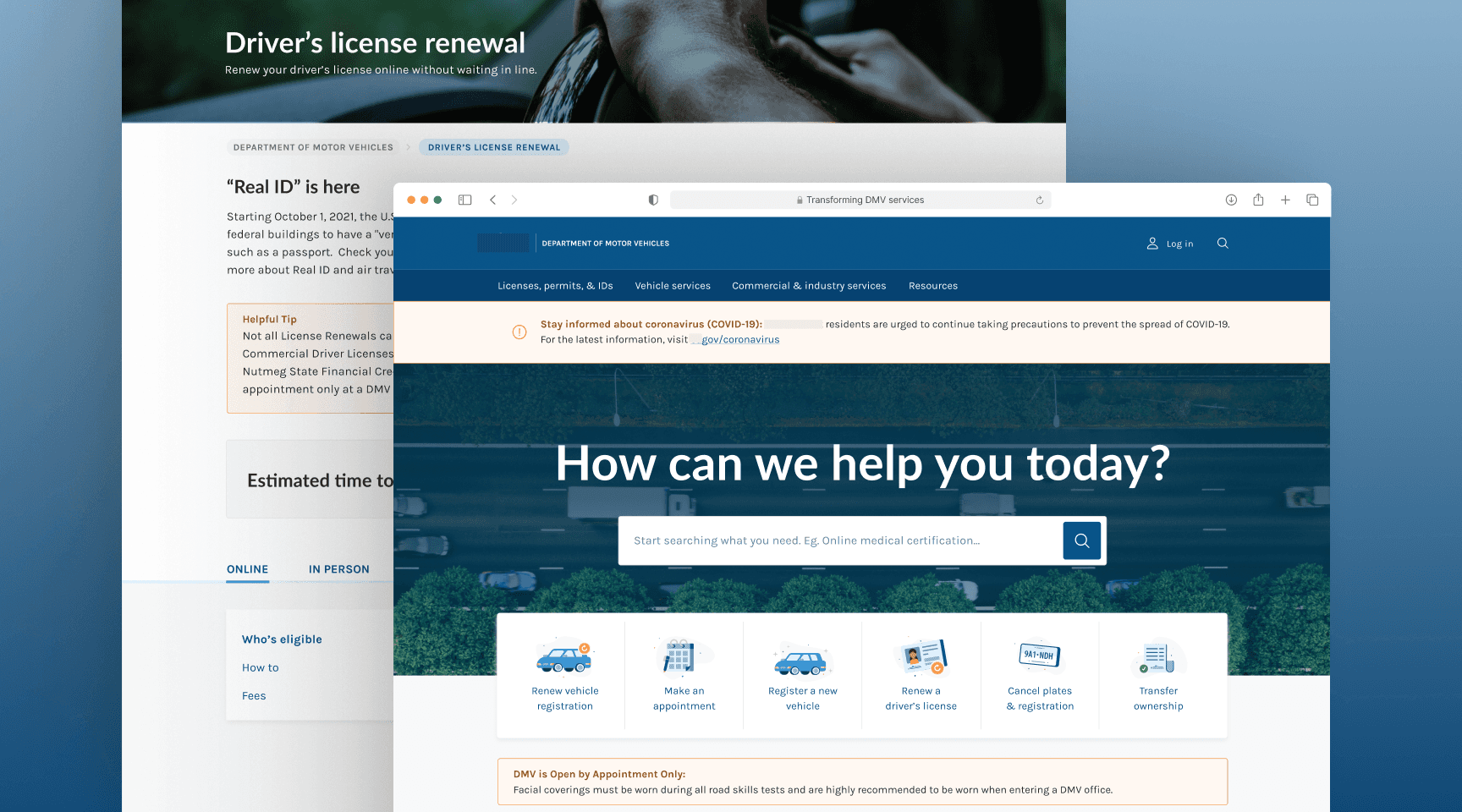
Transforming DMV Services and enhancing citizen experience
Revamped the DMV website to streamline service discovery and improve citizen satisfaction through seamless navigation
Industry
Government Services
Team
4 person design team + content, engineering and business team
Role
UX Designer, Usability testing/ User Research, Information architect
Context
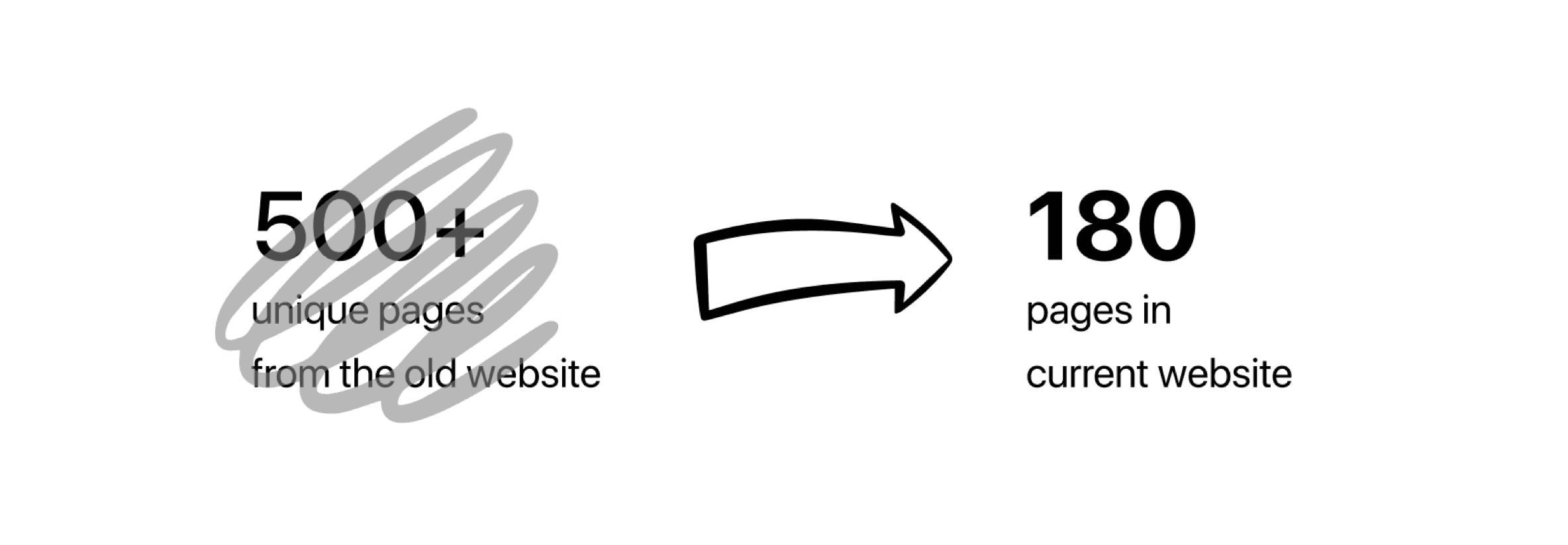
The DMV website was not just a website - it was the front door to critical public services for millions. But with 500+ disorganized pages, outdated interfaces, and inconsistent service access, users were frustrated, lost, and overwhelmed. Calls flooded help centers daily, not because users wanted to call, but because they had no other choice.
My Role & Impact
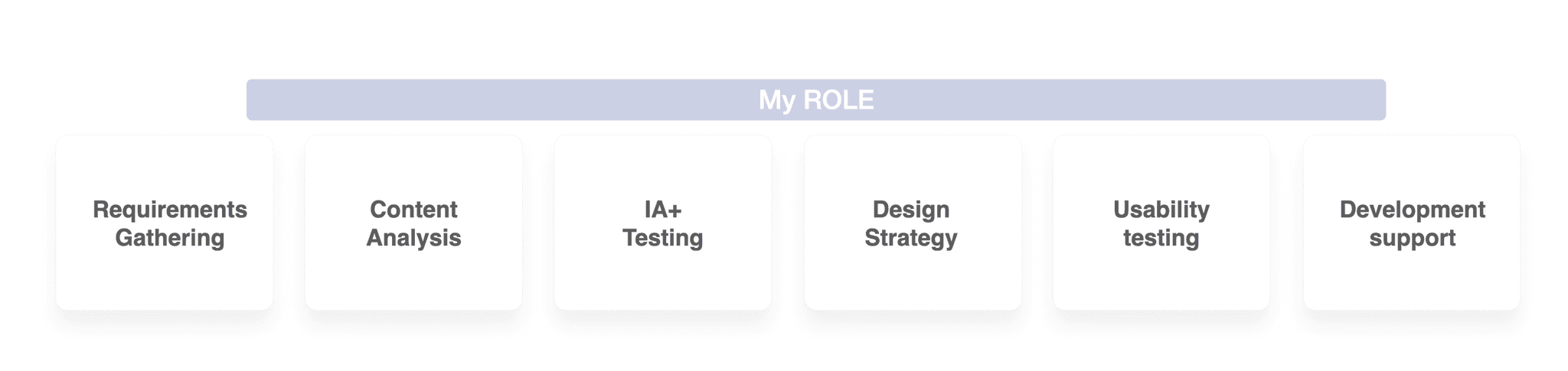
As a UX designer, I spearheaded the end-to-end redesign - mapping sprawling content ecosystems, overhauling information architecture, designing scalable, intuitive experiences and development support. I aligned stakeholders across content, SEO, design, development and business units to ensure that the final product wasn’t just visually improved, it was usable and future ready.
Beyond pixel perfect designs
Good design begins with good architecture.
Information is the Interface
Pixels come last. Structure comes first. A solid IA is the scaffolding that holds experience together- especially at scale.
Content Strategy Is Product Strategy
When users rely on clarity, organization is not just nice-to-have- it’s the interface. Naming, grouping, and structuring are forms of care.
Design for Longevity, Not Just Launch
By embedding our work into a flexible government design system, we ensured that this wasn’t just a website fix—it was infrastructure for digital transformation.
Problem
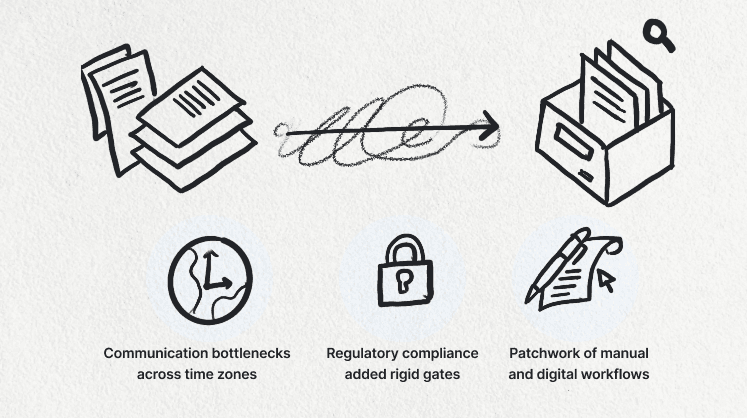
The DMV’s digital presence was fragmented and outdated:
Disorganized content spread across 500+ pages
Redundant and outdated instructions
No clarity on next steps or where users were in a process
Increased operational load
Insight
People didn’t lack motivation to self-serve- they lacked the tools to do it confidently. Most were just trying to get from A to B (like renewing a license or finding a lost title), but the site buried simple goals behind inconsistent language, broken pathways, and dead ends.
Solution
We rebuilt the experience with clarity at its core:
A restructured, user-centered information architecture based on real user behaviors
Modular, accessible components built on a flexible government design system
Usability-tested flows that made critical tasks findable and simple
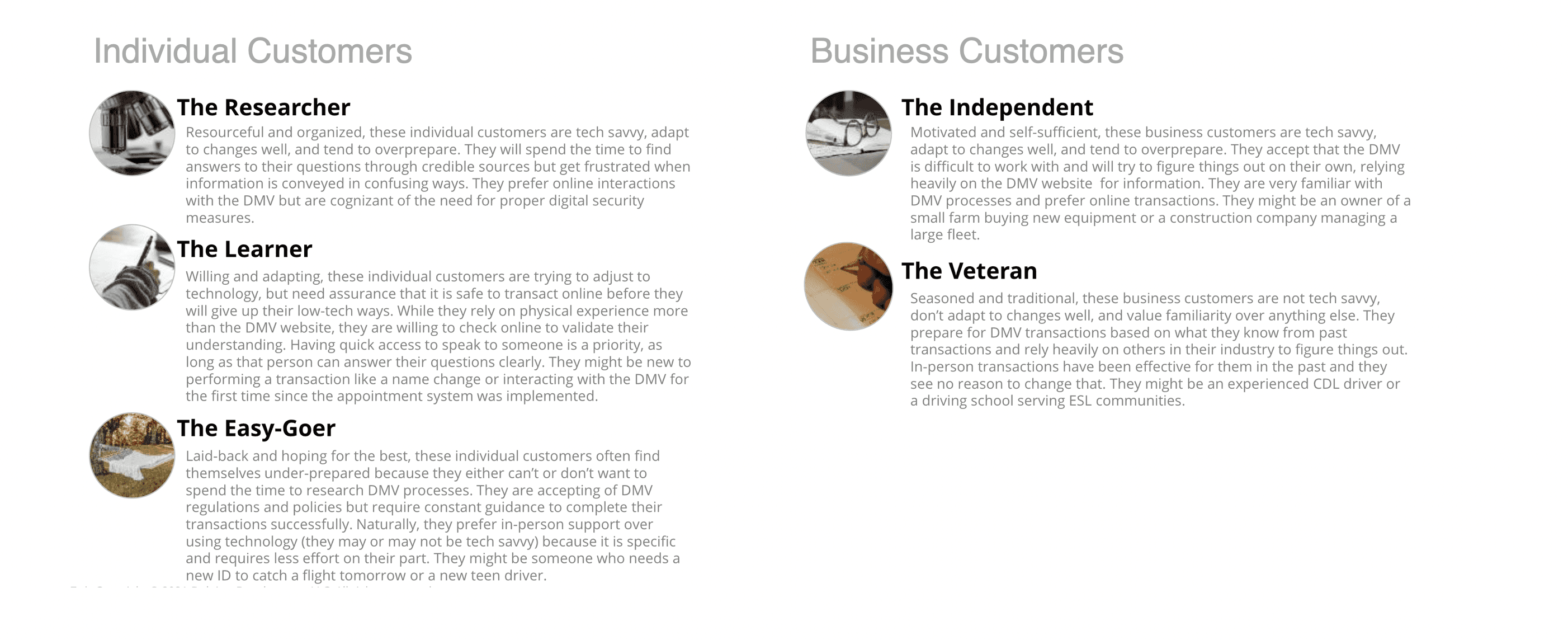
“It’s mind-boggling to study all the the information on the DMV website. It’s a lot. I tried to use the website, but I couldn’t figure out where to go for a lost title. It didn’t make any sense to me what I read”
- Archetype: The Researcher
Research Approach
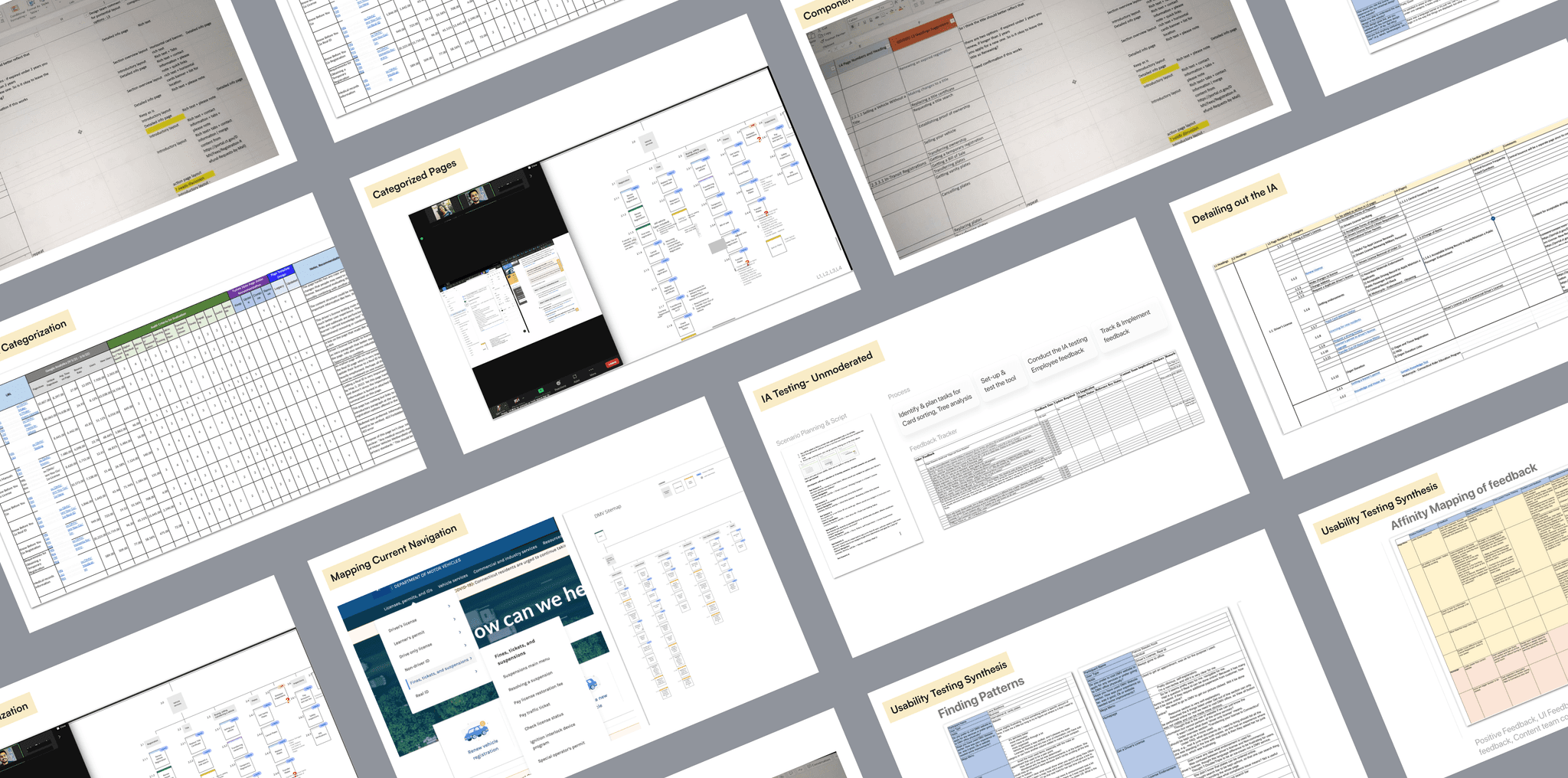
Yes, we built a lot of artefacts on the way, sharing limited information due to NDAs. DM me to learn more.
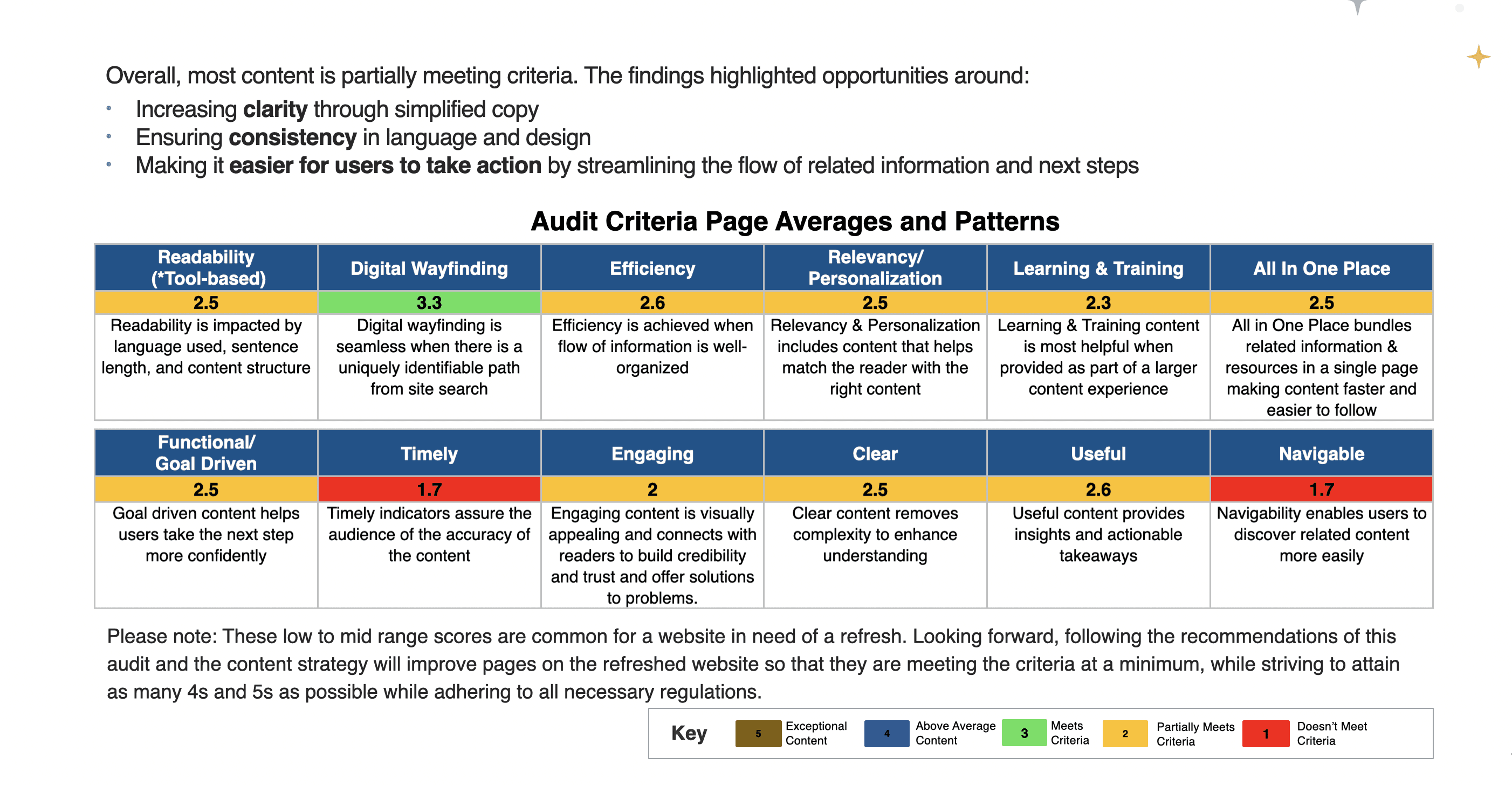
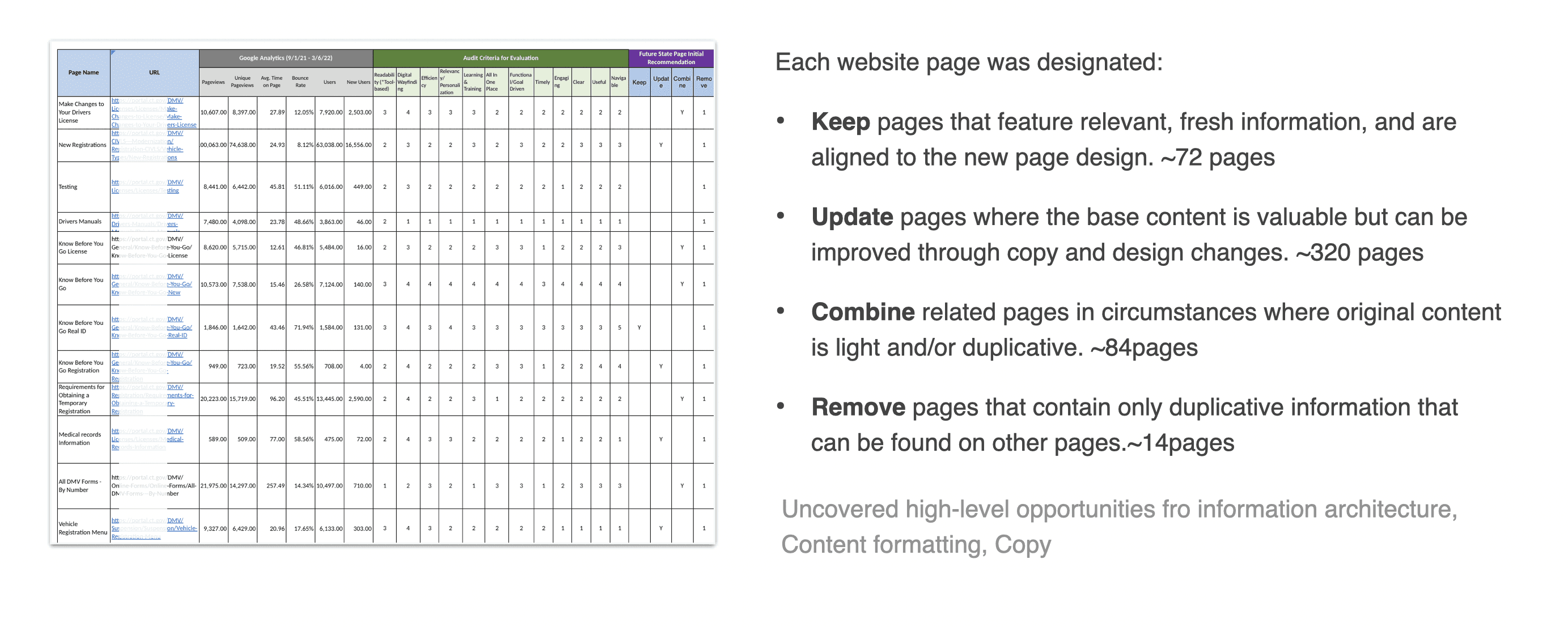
Content Audit & Pattern Recognition
Reviewed over 490 pages, identified content gaps and redundancy, and used analytics and user archetypes to prioritize information flow.
Information Architecture Mapping
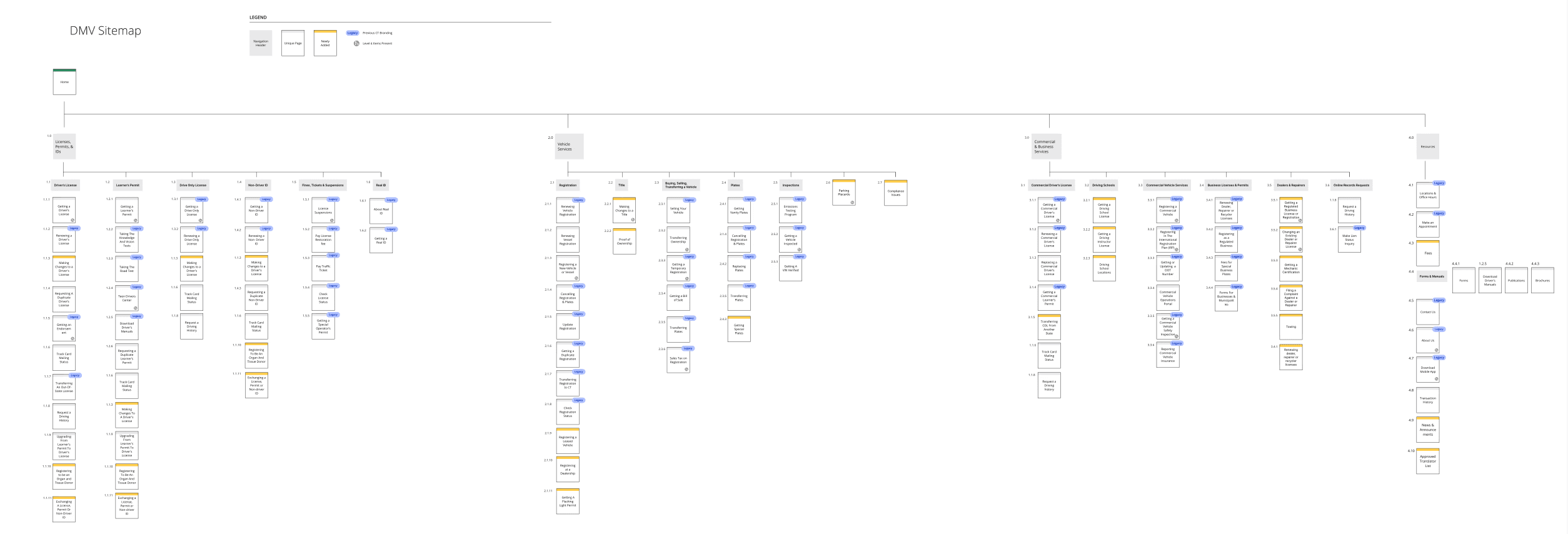
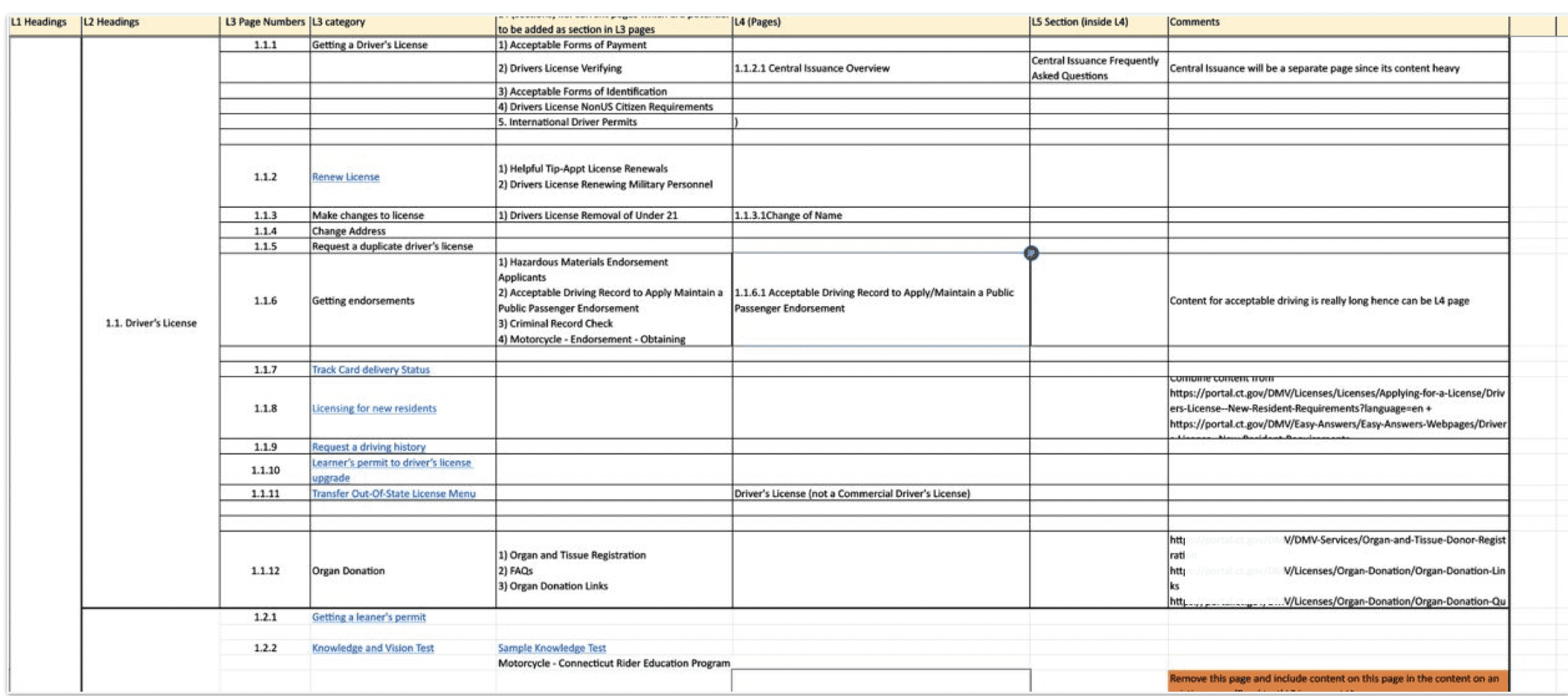
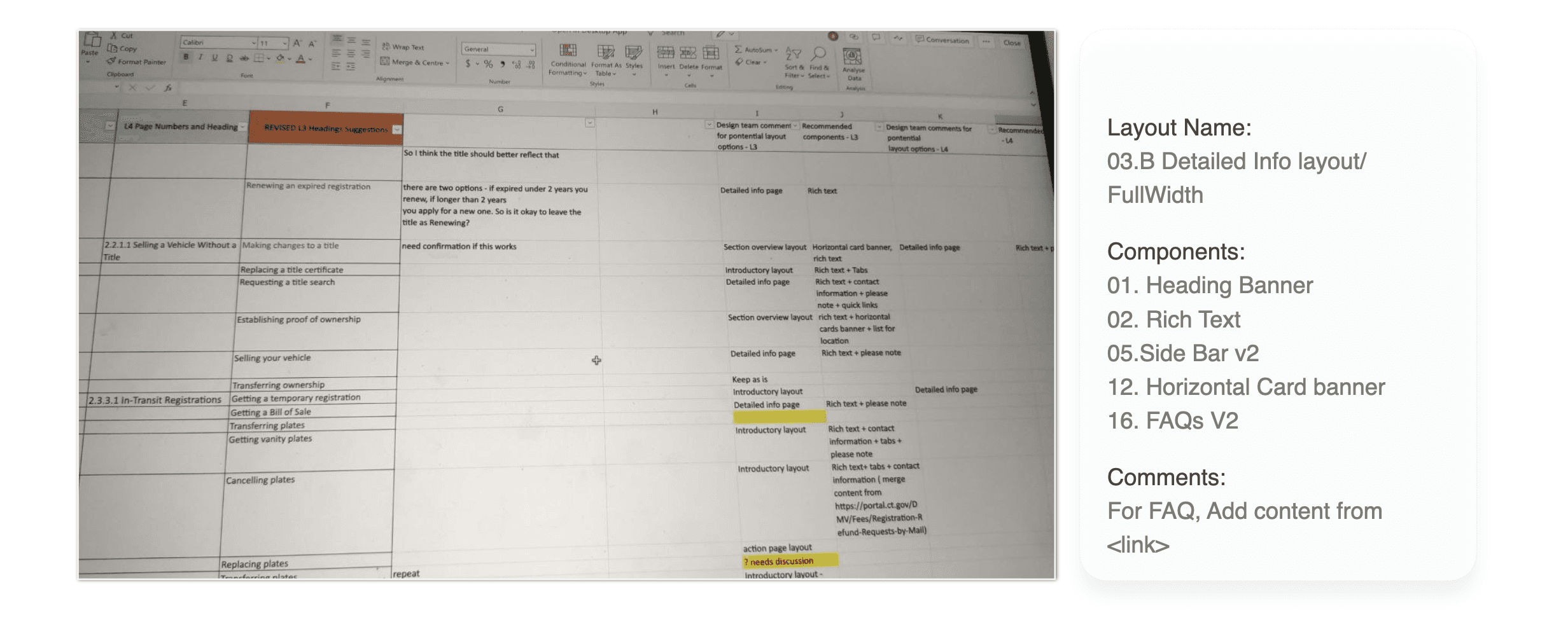
Restructured navigation around goal-oriented tasks. Aligned naming conventions and page groupings to match user mental models. Created the below information architecture with level 1,2,3 along with a detailed level 4 page architecture on excel.
Information Architecture Testing
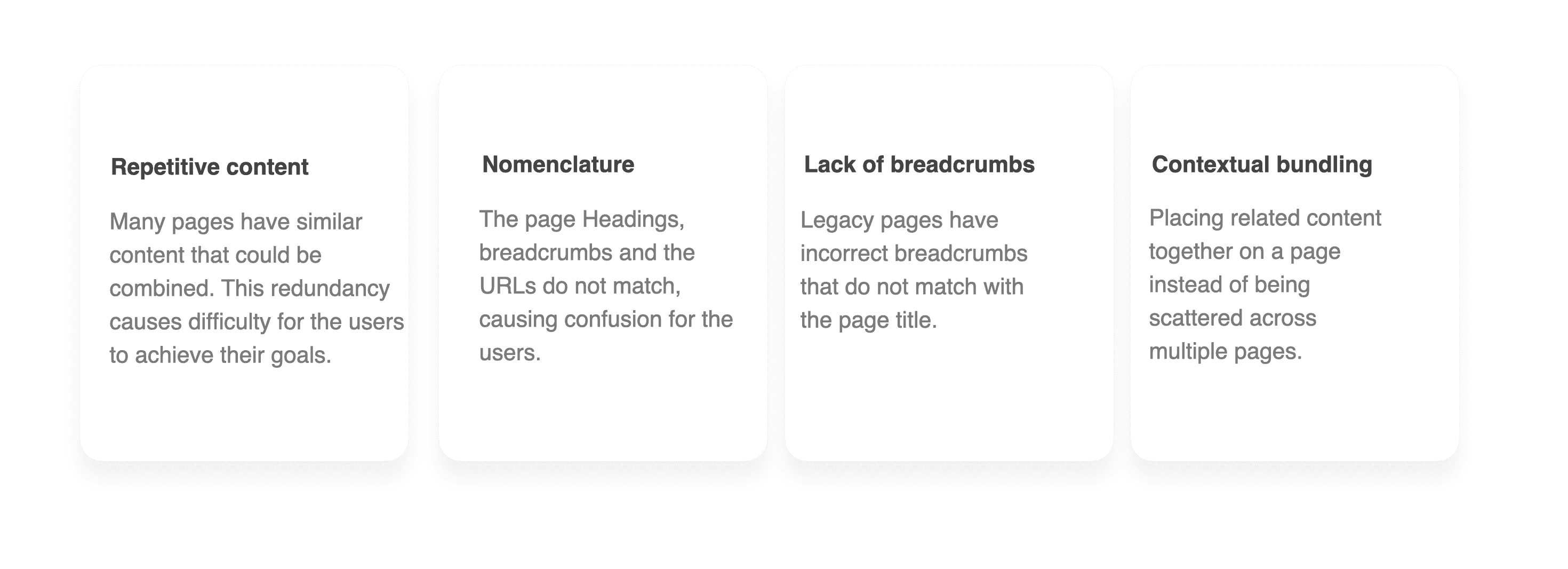
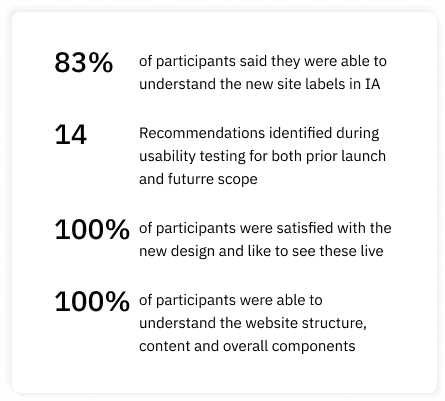
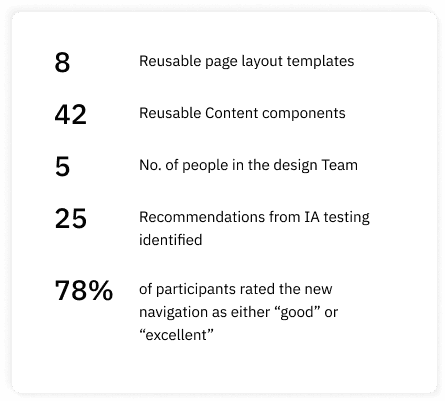
Tested multiple IA iterations with real DMV staff. Below are the findings from unmoderated usability testing on optimal workshop.
Design System Integration
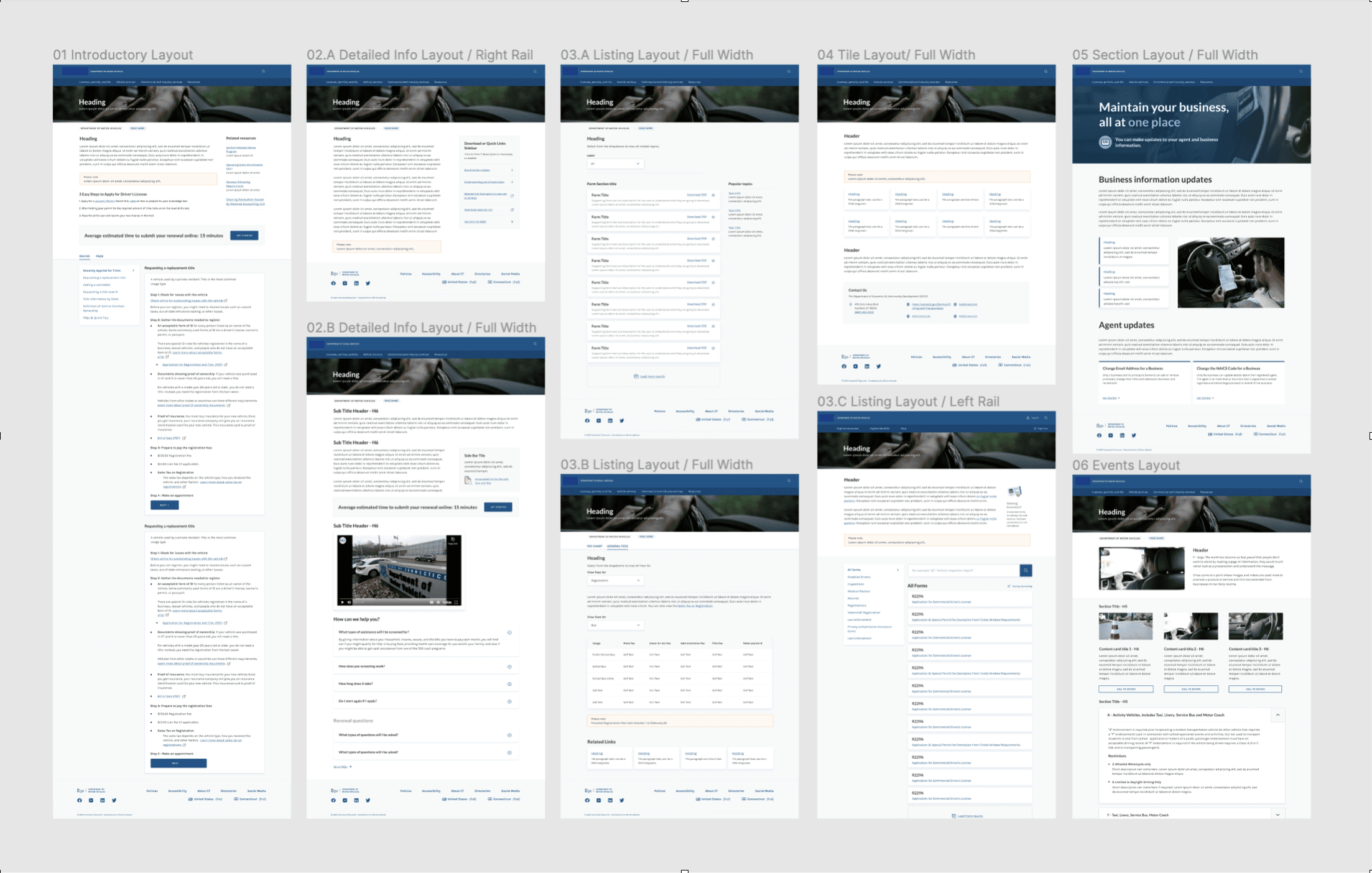
Built and contributed to a scalable component library used by multiple agencies, ensuring visual consistency and accessibility compliance.
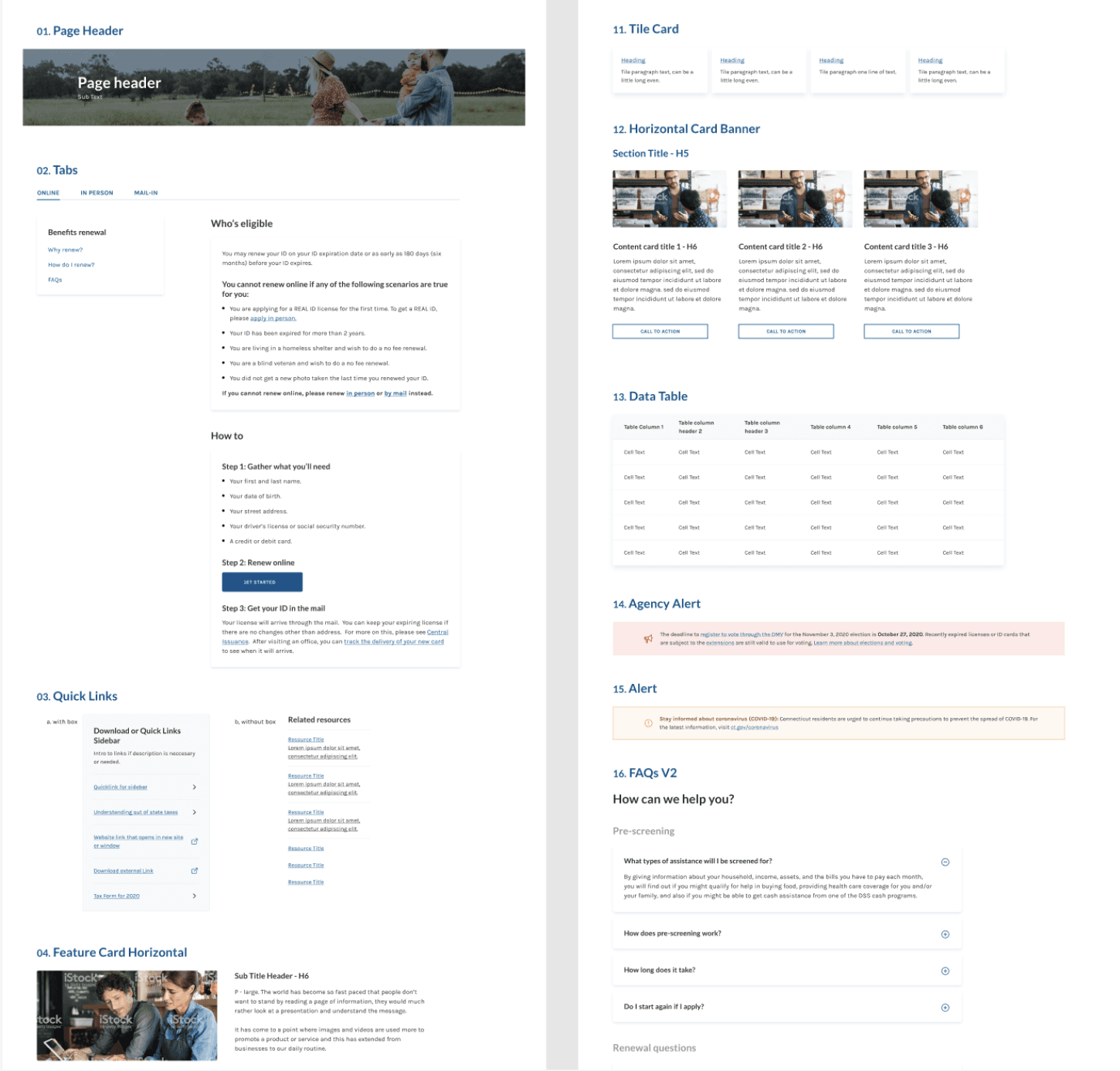
Designing 180+ pages
Built and contributed to a scalable component library used by multiple agencies, ensuring visual consistency and accessibility compliance.
Usability Testing
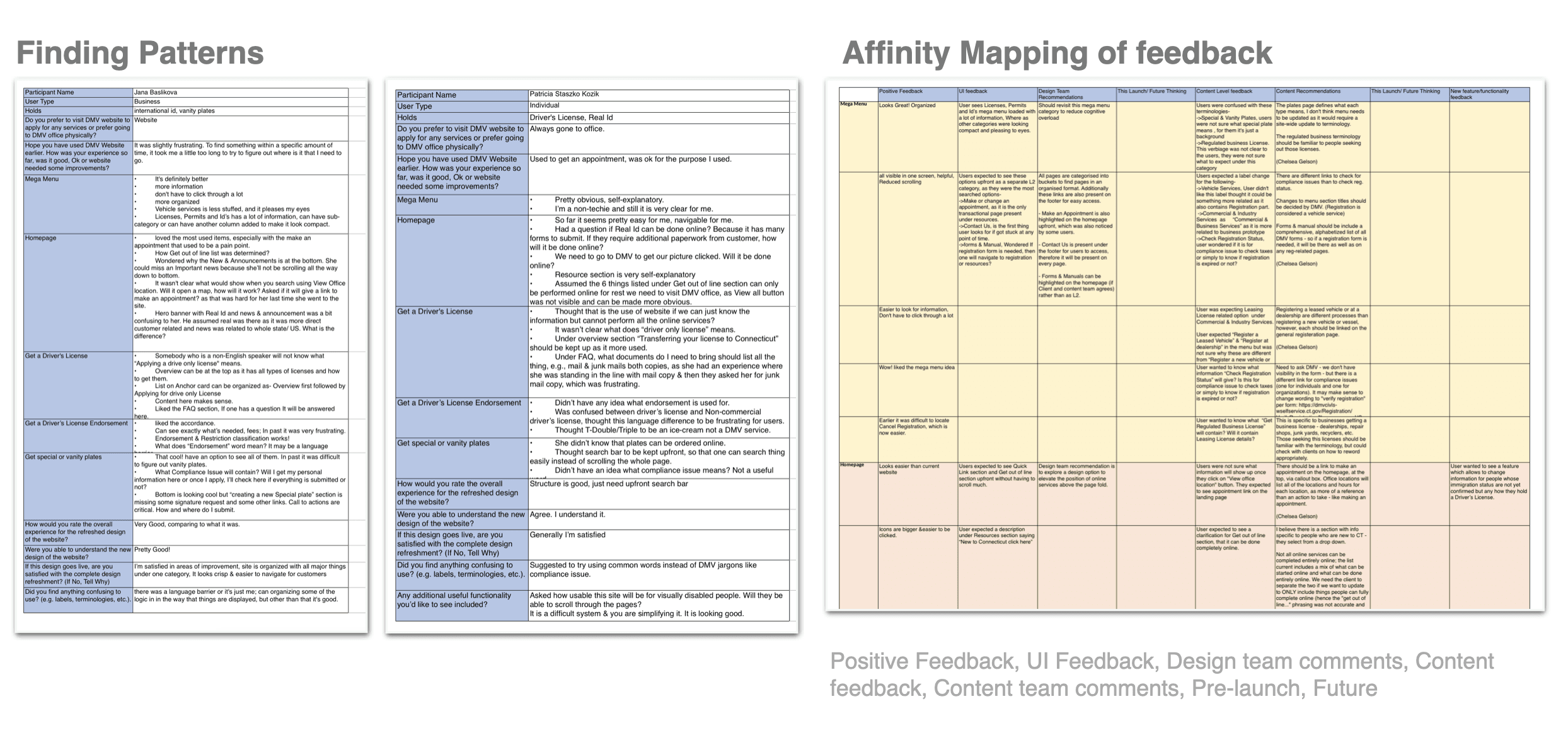
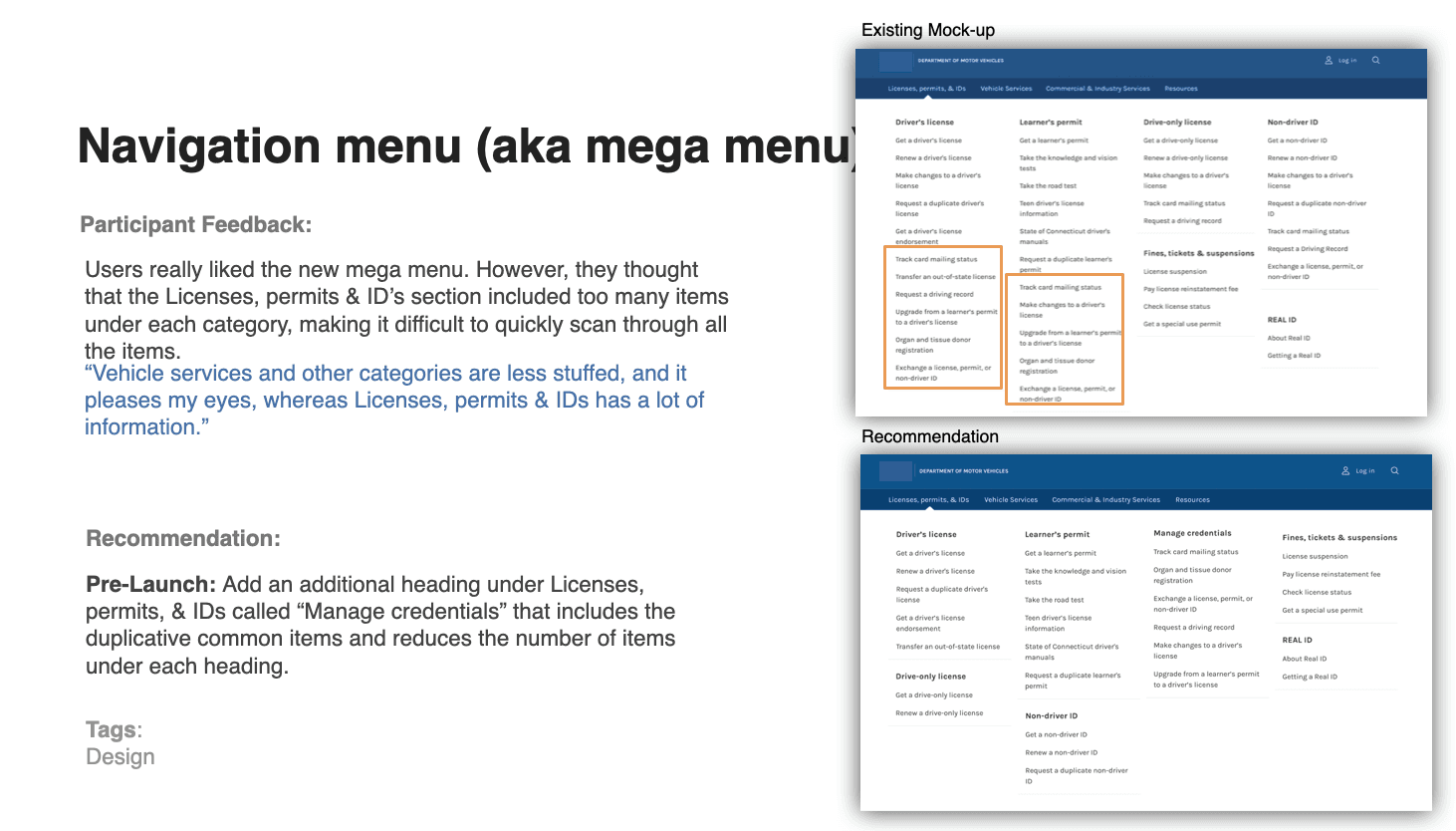
We synthesized the data from moderated user testing in form of excel sheets. Then categorized all the recommendations in 2 categories: 1. Area of impact (design or content) 2. Timeframe to implement (pre-launch or Future thinking)
Impact
Learnings
Designing for Scale & Longevity
Creating a flexible government design system that seamlessly adapts across agencies reinforced my systems-thinking approach and the impact of building for the long term.
Content Drives Experience
Information architecture and content strategy are just as critical as visual design in shaping intuitive and efficient user interactions.
Mastering Usability Testing
Preparing for usability tests taught me how to craft precise scenarios, anticipate user challenges, and iterate quickly based on real feedback to enhance navigation and overall experience.